Sustainable Solutions: How E-Waste Recycling Services Are Saving Our Planet
E-waste represents a considerable hazard to the environment, as abandoned electronic devices commonly carry harmful materials. These toxic materials have the potential to taint soil and water sources, causing extensive damage to surrounding ecosystems. E-waste recycling initiatives provide a practical answer. They not only recover valuable resources but also mitigate pollution. Comprehending the operation of these services and their influence on communities is of great importance. Pursuing efficient e-waste management brings forth pressing questions regarding individual duties and shared responsibility. What actions should be considered going forward?
Why E-Waste Is Bad for the Planet
While technology enriches contemporary living, e-waste creates significant environmental threats. Discarded electronic devices, frequently composed of dangerous compounds like mercury, lead, and cadmium, are capable of seeping pollutants into groundwater and soil, creating hazards for ecosystems and human health. The rapid pace of technological advancement results in higher rates of electronics disposal among consumers, worsening the buildup of discarded electronic materials.
Landfills, already strained by waste, are unable to keep up with the rising quantities of abandoned electronics. Incineration, another disposal method, releases harmful pollutants into the atmosphere, contributing to air quality degradation. In addition, improper recycling practices can lead to the exportation of e-waste to developing countries, where laborers may dismantle devices without adequate safety measures, exposing themselves to dangerous substances. Explore all This pattern of negligence and mismanagement highlights the critical demand for eco-friendly recycling alternatives that can reduce the damaging impact of electronic waste on the environment.
Understanding E-Waste and Its Significance
E-waste, also referred to as electronic waste, comprises obsolete electronic products like televisions, computers, and smartphones that are no longer functional or needed. This increasingly prevalent form of waste is important because of its swift buildup, fueled by innovation in technology and shifting consumer habits. As more devices become obsolete, the toll on the environment grows more severe, with dangerous elements including lead, mercury, and cadmium threatening both ecosystems and public health.
Addressing e-waste is crucial not only for reducing these dangers but also for acknowledging the precious materials found within it. Valuable metals and rare earth materials can be extracted and repurposed, lessening the demand for mining and preserving natural resources. With a thorough understanding of e-waste and its impact, people and organizations alike can make educated decisions about disposal and recycling, helping to build a more sustainable world. Proper management of e-waste is essential for fostering a circular economy and promoting environmental stewardship.
How E-Waste Recycling Works
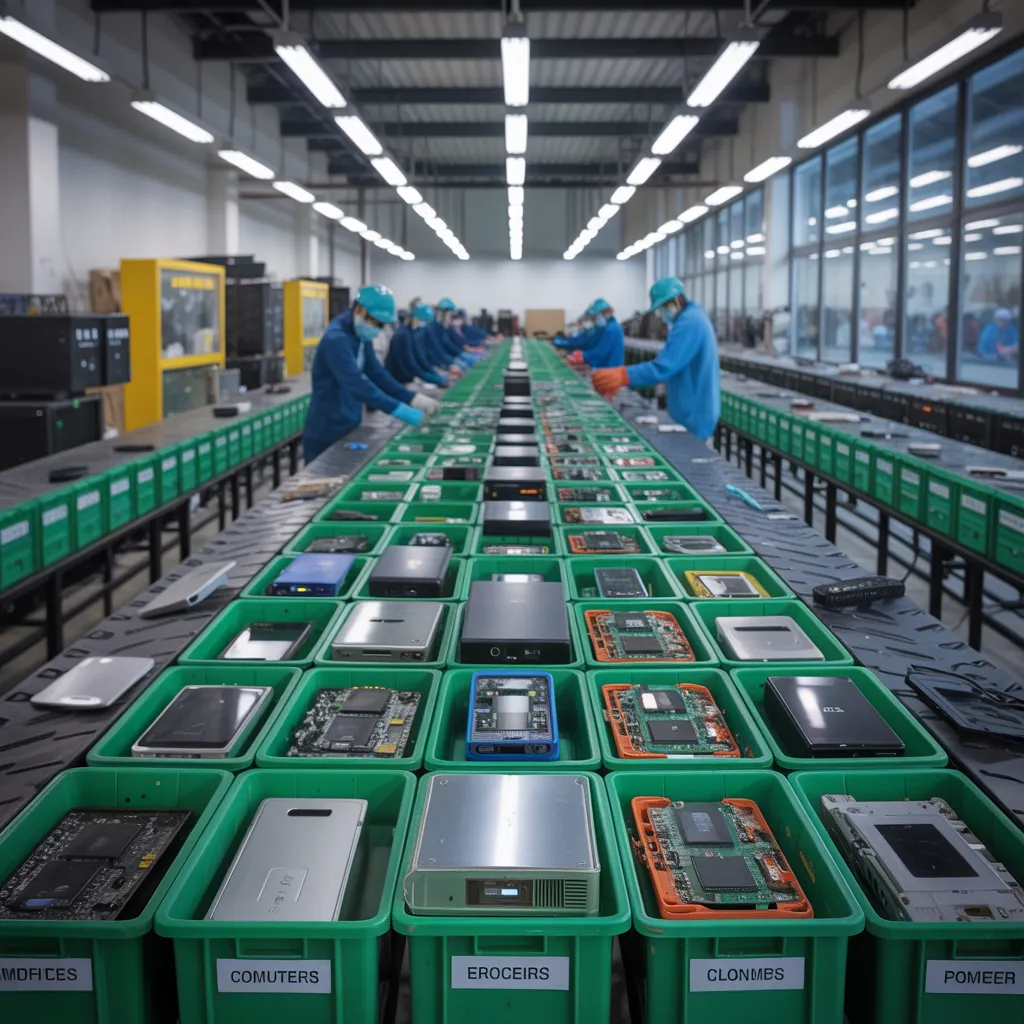
Recycling e-waste involves a structured approach aimed at reclaiming useful resources while reducing harm to the environment. At the outset, discarded electronics are retrieved and sent to specialized recycling facilities. Once there, the equipment is meticulously organized to separate hazardous components from recyclable materials.
Subsequently, technicians deconstruct the items, removing plastics, metals, and glass. This step is critical, as it makes possible the reclamation of precious metals like silver, gold, and copper, which are repurposed in new electronic products.
Subsequently, the sorted materials are processed with state-of-the-art techniques, such as chemical treatments and shredding, to prepare them for reuse.
Ultimately, the residual hazardous waste is handled with responsibility, complying with environmental guidelines. This systematic method not only saves important resources but also reduces the dangers linked to improper e-waste disposal, securing a more eco-conscious future for electronic consumption.
How E-Waste Recycling Benefits You and Your Community
While many individuals may not realize it, the benefits of e-waste recycling extend beyond personal convenience to positively impact entire communities. By properly recycling electronic waste, individuals help foster a safer environment, decreasing harmful substances that can leach into soil and water. This proactive approach helps preserve local ecosystems and advances public health.
Additionally, e-waste recycling promotes the creation of jobs in communities. Community recycling operations commonly require workers for various operations, from collection to processing, thus generating valuable job opportunities within the community. This not only boosts the local economy but also encourages community engagement in sustainable practices.
Furthermore, familiarity with e-waste recycling may result in learning opportunities, equipping residents to adopt eco-friendly choices. By taking part in e-waste recycling programs, individuals cultivate a culture of sustainability, inspiring others to follow suit. In summary, the collective impact of these actions can result in a more strong and environmentally aware community.
How to Pick an E-Waste Recycling Service
Selecting the most suitable e-waste disposal service is vital for guaranteeing that e-waste is managed with responsibility and sustainability. To begin, individuals should verify the service's credentials, such as R2 or e-Stewards, which signify compliance with professional guidelines for secure waste disposal procedures. Additionally, it is advisable to evaluate the provider's credibility by reviewing feedback and looking for referrals from reliable sources.
Furthermore, clarity in the recycling process is essential. A dependable service should provide clear information about the way e-waste is handled and how the materials are utilized. Additionally, considering the scope of services provided can prove valuable; various firms may supply retrieval services or extend benefits for recycling.
In addition, learning about local guidelines related to e-waste disposal can further guide the evaluation process. Through focusing on these key aspects, residents can actively participate in responsible e-waste disposal while supporting eco-friendly habits.
How You Can Take Part in E-Waste Recycling?
Engaging in e-waste recycling can start at the local level, where recycling centers regularly supply essential services for proper disposal. Moreover, participating in community awareness campaigns can amplify efforts to educate others about the importance of proper e-waste handling. These actions not only encourage sustainable practices but also foster a collective sense of responsibility toward the environment.
Community Recycling Locations
Numerous regional recycling hubs play an essential role in e-waste recycling, giving communities practical solutions to handle electronic waste in a responsible manner. These centers accept a selection of electronic items, including old computers, smartphones, and televisions, ensuring that harmful materials are handled safely. Many hubs feature experienced team members who can guide individuals on proper disposal methods, stressing the significance of recycling instead of landfilling. Furthermore, many centers offer planned drop-off gatherings or set collection days, allowing residents to take part with ease. By engaging with these local facilities, residents support a circular economy, lowering environmental harm and encouraging sustainable habits. Partnering with these facilities empowers communities to take action against e-waste pollution effectively.
Public Awareness Initiatives
Local organizations, schools, and businesses can collaborate to host events that promote e-waste collection drives. Dedicated participants can take a leading part in spreading awareness, distributing educational materials, and engaging with the community. Through these collective efforts, community members grow more knowledgeable and inspired to dispose of their electronics responsibly, thereby helping to build a greener and more sustainable tomorrow.
Common Questions and Answers
What Types of Electronics Can Be Recycled?
Various electronics are able to be recycled, including laptops, televisions, smartphones, printers, computers, and gaming consoles. Additionally, ancillary devices such as mice, keyboards, and batteries are equally appropriate for recycling, contributing to sustainable environmental practices.
Is There a Cost Associated With E-Waste Recycling?
That's correct, electronic waste recycling sometimes comes with charges, based on the provider. Some service centers charge fees for gathering or treatment, while some providers provide no-cost solutions, often subsidized by the sale of reclaimed components.
What Are the Benefits of E-Waste Recycling for Businesses?
Companies can take advantage of e-waste recycling by lowering disposal expenses, strengthening their ecological standing, adhering to regulatory requirements, extracting valuable resources, and possibly earning income through resale, ultimately contributing to a more sustainable operational strategy.
What Becomes of Data on Recycled Devices?
Details from repurposed electronics is commonly irretrievably wiped or eliminated throughout the recycling process. This ensures private details is kept safe, preventing unauthorized access while enabling resources to be recycled securely and sustainably across new manufacturing processes.
Is It Possible to Recycle Damaged Electronics?
Indeed, defective electronics are able to be recycled. Many facilities accept broken devices, guaranteeing safe disposal and retrieval of valuable materials. It helps reduce environmental impact while encouraging eco-friendly recycling methods to handle electronic waste responsibly.